Why Estriol Face Cream Is A Must For Perimenopause Skin
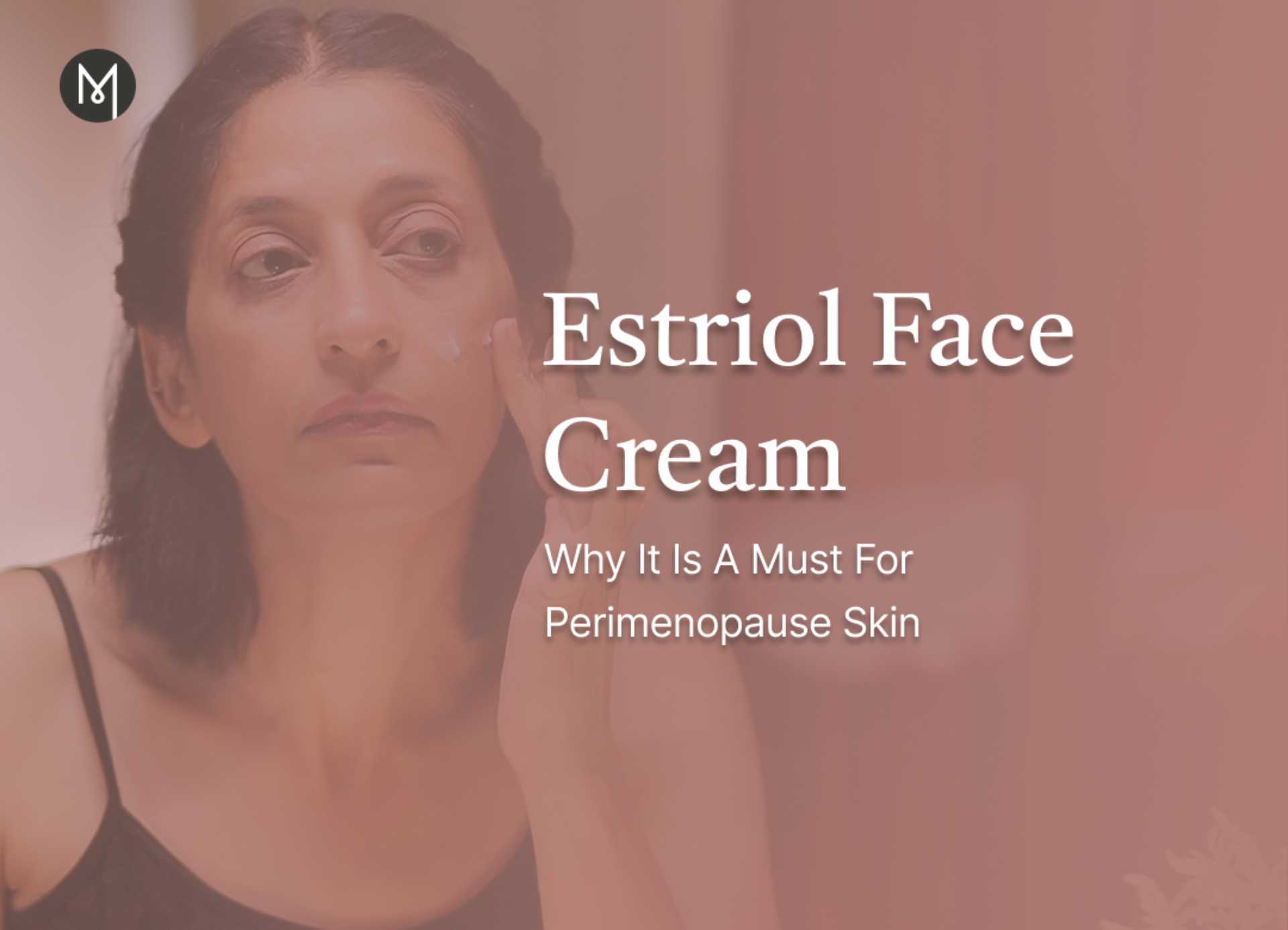
As we navigate the changes that come with perimenopause and menopause, our skin often tells the first story. A noticeable loss of firmness, moisture, and that familiar youthful bounce is a common experience, driven largely by declining estrogen levels. This has led many women to wonder about topical hormones, like estriol cream, as a potential solution.
You’ve likely seen these products discussed online, but the crucial questions remain: Do they work? Let's explore the science so you can make an informed decision for your skin.
How Estrogen Loss Affects Your Skin
During menopause, the body’s estrogen production drops significantly. This hormonal shift has a direct impact on skin health. In fact, research shows that up to 30% of your skin’s collagen can be lost within the first 5 years of menopause, with a continued decline each year after.
This loss of collagen, the protein that gives skin its structure, leads to common signs of aging:
Thinner, less resilient skin
Increased fine lines and deeper wrinkles
Reduced elasticity and firmness
Noticeable dryness and loss of hydration
The goal of perimenopause skincare is to address these changes at their source. For many, that conversation starts with estriol.
What Is Estriol, and How Does It Work for Skin?
Estriol is one of the three main types of estrogen naturally produced by the body and is considered the weakest of the three. When used in a facial cream, estriol works by targeting estrogen receptors in the skin to help counteract the visible effects of hormonal aging.
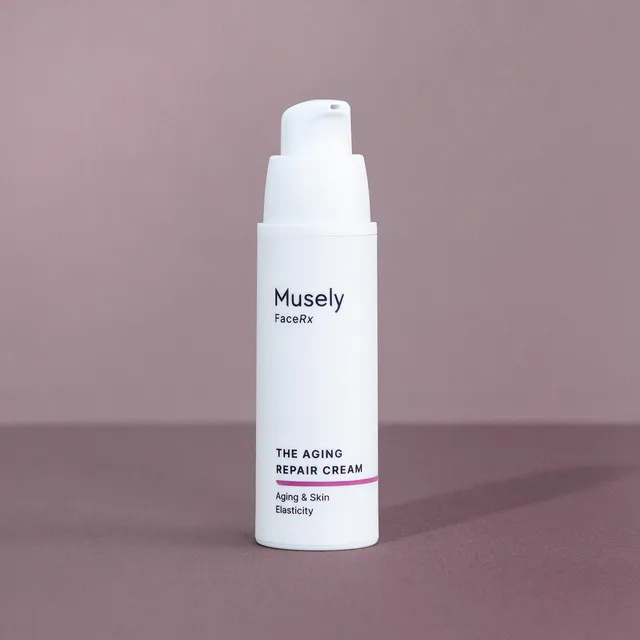
Scientific studies suggest that topical estriol, like that in The Aging Repair Cream, may offer several key benefits for perimenopausal skin::
Boosts Collagen: Topical estriol can help increase collagen production, which is essential for maintaining the skin's underlying support structure.
Improves Elasticity and Wrinkles: By supporting collagen, estriol can improve skin elasticity and firmness. One study found that daily use of a 0.3% estriol cream notably improved skin texture and wrinkle depth over 12 weeks.
Restores Moisture: It also helps improve the skin's ability to retain water, leading to better hydration and a smoother complexion.
The Critical Question: Is It Right For Me?
For many people, using a low-dose estriol cream on the face is considered low-risk. Studies examining facial application have found no significant changes in systemic hormone levels or related hormonal side effects, indicating minimal absorption into the bloodstream.
Estriol is still a hormone, and its impact depends heavily on the formulation, your personal health history, and how you use it.
Who Should Avoid Estriol Cream
Topical hormone therapy is not suitable for everyone. You should avoid estriol cream if you have a personal or strong family history of certain medical conditions. According to medical experts, you should not use estriol cream if you:
Are pregnant, trying to conceive, or nursing.
Have a personal history of breast, endometrial, or other estrogen-dependent cancers. It's essential to speak with your oncologist before considering any product containing estrogen if you have a history of hormone-positive cancer.
Have a known blood clotting disorder, unexplained vaginal bleeding, or a history of venous thromboembolism (blood clots).
Side effects, though often mild, can occur. More importantly, some users in studies have reported side effects like breast tenderness, which suggests the cream can have effects beyond the skin. This underscores the importance of medical guidance.
Prescription vs. Over-the-Counter Estrogen Creams
Where you get your estriol cream matters. The market is filled with over-the-counter (OTC) products making big promises, but they often come with significant uncertainty.
Over-the-Counter (OTC) Creams: These are regulated as cosmetics, not drugs. This means the concentration of active ingredients can be inconsistent, and their safety and efficacy are not verified by the FDA. Many also contain other ingredients, making it hard to know what's actually working.
Prescription Creams: A prescription for estriol cream ensures you receive a specific, controlled dose that a medical professional has deemed appropriate for you based on your health history.
At Musely, we believe that prescription skincare is the best path forward. We provide prescription skincare, without the waiting room. A board-certified dermatologist reviews your health profile before prescribing any treatment.
The Aging Repair Cream is formulated by U.S. dermatologists and compounded fresh for you, ensuring both potency and quality.
Are There Other Options for Menopausal Skin?
Estriol is a promising tool, but it's not the only one. For many, the gold standard for treating skin aging remains a different, well-researched ingredient.
Prescription Retinoids (Tretinoin): Tretinoin is one of the most powerful and extensively studied ingredients for reversing signs of aging. It accelerates skin cell turnover, builds collagen, and visibly reduces fine lines, wrinkles, and dark spots. Many dermatologists recommend it as the first-line treatment for photoaging and mature skin.
Hyaluronic Acid and Peptides: These ingredients are excellent for boosting hydration and supporting a healthy skin barrier, which can become compromised during menopause.
Sunscreen: Daily use of a broad-spectrum SPF 30+ is the single most important step in any anti-aging routine. It prevents new damage and protects the collagen you still have.
A dermatologist can help you build a routine that combines the right ingredients for your unique skin concerns, whether that includes estriol, tretinoin, or other supportive treatments.
The Bottom Line
For many women, under medical supervision, it can be a valuable tool for addressing the signs of hormonal aging.
However, it is not a simple cosmetic. Safety depends on using a properly formulated prescription product and ensuring it’s appropriate for your specific health needs. You should always speak with a doctor before starting any new hormone-based treatment.
Products In This Tip
More tips like this
Menopause Care
Comprehensive Menopause Care: HRT, Hair, Sleep & Mood
Menopause
When Does Perimenopause Begin? Ages, Signs, and Timeline

Guide to HRT/MHT
Does HRT Cause Cancer?

Menopause Care
The Perfect Rx Pair For Menopause
Menopause Symptoms
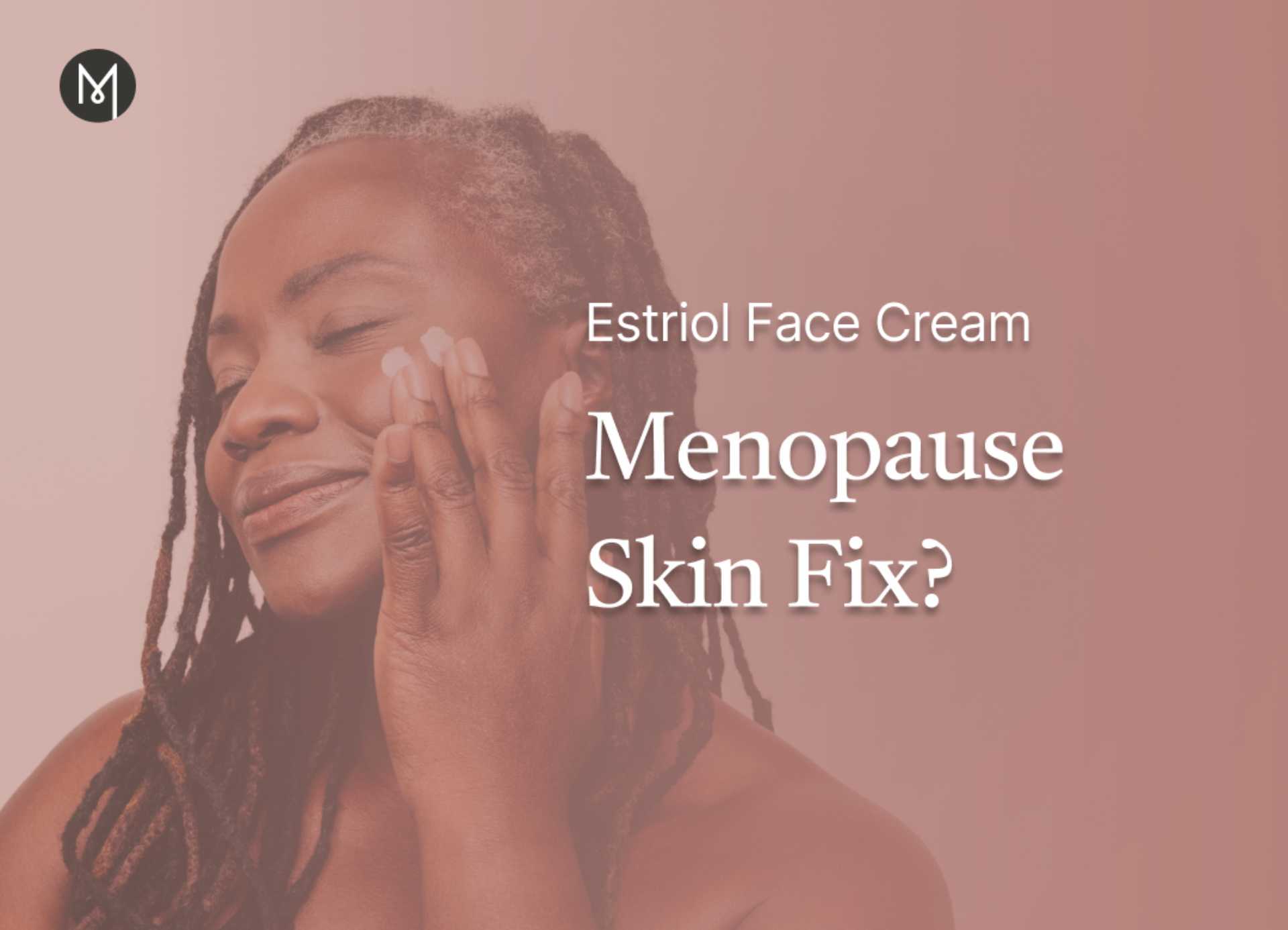
Estriol Face Cream: Menopause Skin Fix?
Menopause
Progesterone 101: What It Does, Normal Levels & How It Fits Into HRT

Menopause Symptoms
3 Common Skin Changes During Menopause
Menopause