Perimenopause Skin Care Tips: Combat Dryness & Fine Lines

As you navigate perimenopause, you might notice your skin doesn't look or feel the way it used to. Suddenly, it seems drier, fine lines appear more pronounced, and your go-to moisturizer isn't cutting it anymore. These changes are common and primarily driven by hormonal shifts, but they are not something you simply have to accept.
With the right approach and effective ingredients, you can manage these concerns and maintain healthy, vibrant skin through perimenopause and beyond. This guide offers actionable, dermatologist-backed tips to help you combat dryness and fine lines, empowering you to feel confident in your skin.
What Causes Skin Changes During Perimenopause?
The skin concerns that arise during perimenopause are largely due to a combination of natural aging and hormonal fluctuations, specifically the decline of estrogen.
Our skin ages in two main ways:
Intrinsic Aging: This is the natural, chronological aging process. Hormonal changes are a major part of this. As estrogen levels drop, the skin's fundamental support systems begin to change.
Extrinsic Aging: This is aging caused by external factors. The most significant contributor is sun exposure, which accelerates the breakdown of collagen and can lead to dark spots and a rough texture. Other factors include pollution and lifestyle habits. Caring for your skin in menopause.
While we can't stop intrinsic aging, we can influence how our skin handles it and protect it from extrinsic damage.
The Role of Estrogen in Skin Health
Estrogen is a key hormone for maintaining youthful, resilient skin. It plays a crucial role in:
Collagen Production: Estrogen helps stimulate the production of collagen, the protein that gives skin its firmness and structure. Research shows that women can lose up to 30% of their skin's collagen during the first 5 years of menopause.
Hydration: Estrogen supports the production of natural oils and hyaluronic acid, which help your skin retain moisture and stay hydrated. Perimenopause Skin Changes: What's Really Happening and What Actually Helps.
Barrier Function: It helps maintain a strong, healthy skin barrier, which protects against irritants and prevents water loss.
As estrogen levels decline, skin becomes what is known as estrogen deficient skin. This leads to the most common perimenopause skin complaints: dryness, thinning, increased sensitivity, and the formation of fine lines and wrinkles.
How to Address Common Perimenopause Skin Concerns
Navigating skin changes can feel overwhelming, but a targeted approach can make a significant difference. Here’s how to tackle the most common issues with an effective, implementation-focused routine.
Dry, Dehydrated Skin
The Challenge: Your skin feels constantly tight, looks dull, and may even be flaky. This happens because the skin produces less oil and its ability to hold onto water is diminished. Dry Skin Perimenopause: Why & What Helps.
The Solution:
Hydrate and Strengthen: The goal is to replenish lost moisture and strengthen the skin barrier to prevent it from escaping. Look for a hydrating moisturizer for menopause that contains ceramides, which rebuild the skin's barrier, and hyaluronic acid for dry skin, which draws water into the skin.
Apply to Damp Skin: After cleansing, while your skin is still slightly damp, apply your hyaluronic acid serum and moisturizer. This helps lock in extra hydration.
Use Lukewarm Water: Hot showers and face washes can strip the skin of its essential natural oils, exacerbating dryness. Stick to lukewarm water instead.
Fine Lines, Wrinkles, and Loss of Firmness
The Challenge: With collagen loss skin aging, fine lines around the eyes and mouth become more noticeable, and your skin may not feel as firm or plump as it once did.
The Solution:
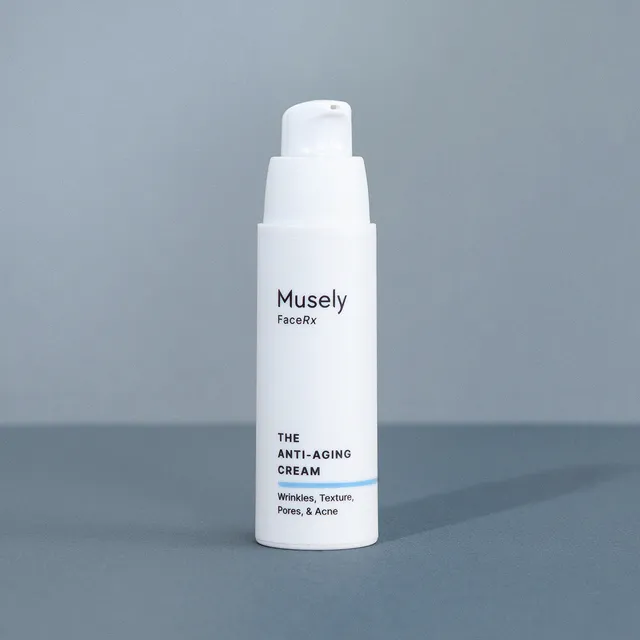
Stimulate Collagen with Tretinoin: Tretinoin is a prescription-strength retinoid and the gold standard for stimulating collagen production and speeding up cell turnover to reduce the appearance of fine lines. You can incorporate a treatment like Musely's The Anti-Aging Cream, which is formulated by U.S. dermatologists and compounded fresh for you. Start by applying it 2-3 nights a week and gradually increase as your skin adapts.
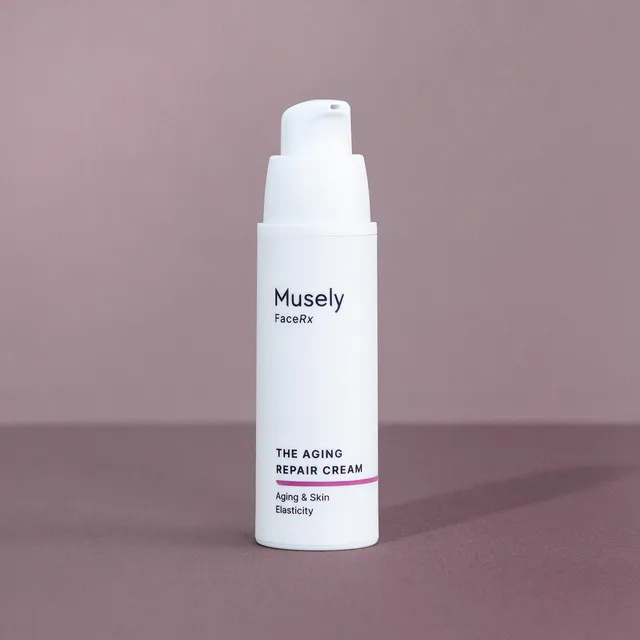
Restore Fullness with Estriol: An estriol face cream directly addresses estrogen deficient skin by helping to restore density and elasticity. Musely’s The Aging Repair Cream is a topical prescription cream formulated with estriol to specifically target hormonal aging, plumping the skin to reduce wrinkle depth and improve hydration. It works beautifully in a morning routine.
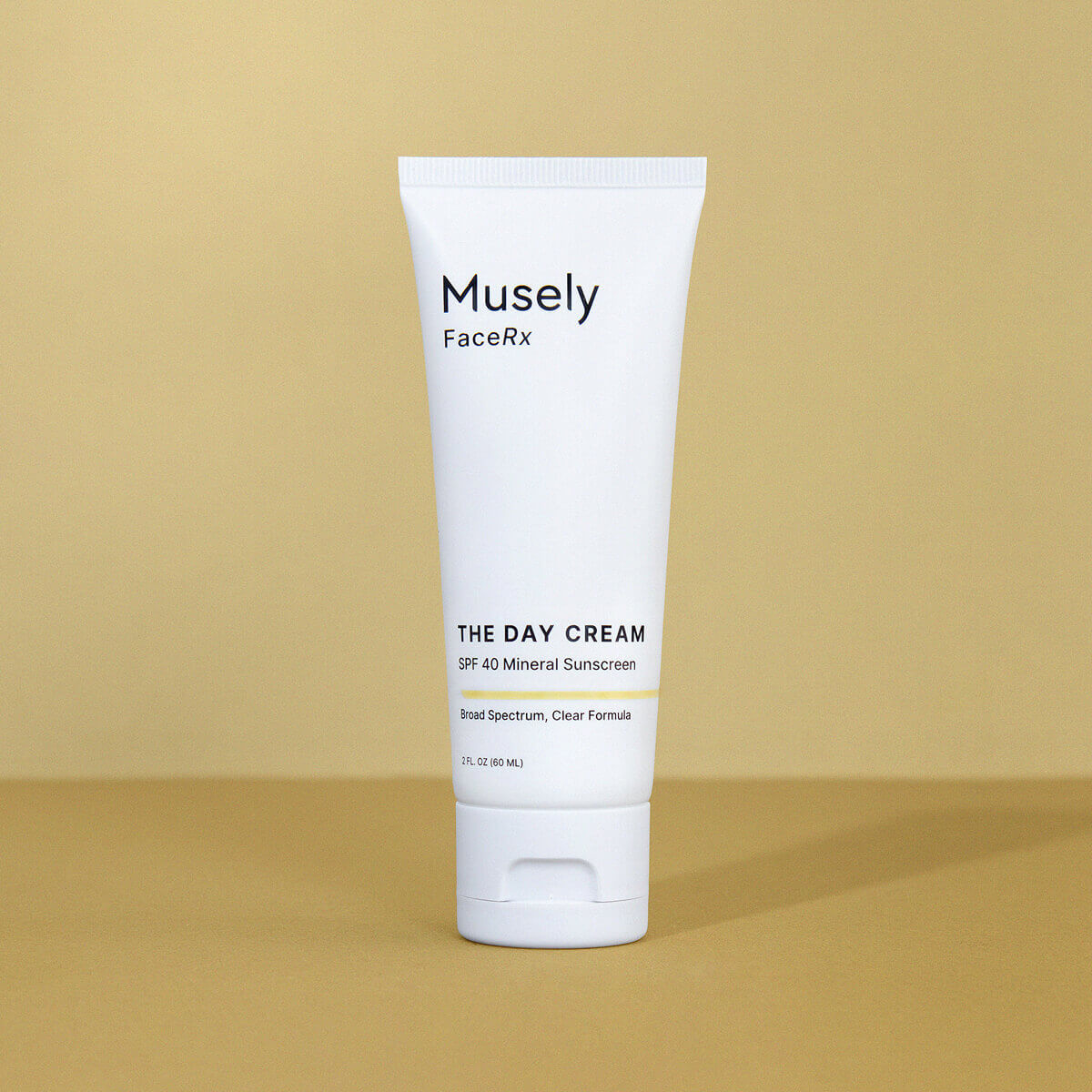
Protect with SPF: Sunscreen is your best defense against the breakdown of existing collagen. Use a broad-spectrum mineral sunscreen with at least SPF 30 every single day.
Increased Skin Sensitivity
The Challenge: Your skin suddenly reacts to products it used to tolerate. Redness and irritation become more frequent as the skin barrier thins and weakens. Perimenopausal Skin: Dry + Acne + Dark Spots? Here’s What To Do.
The Solution:
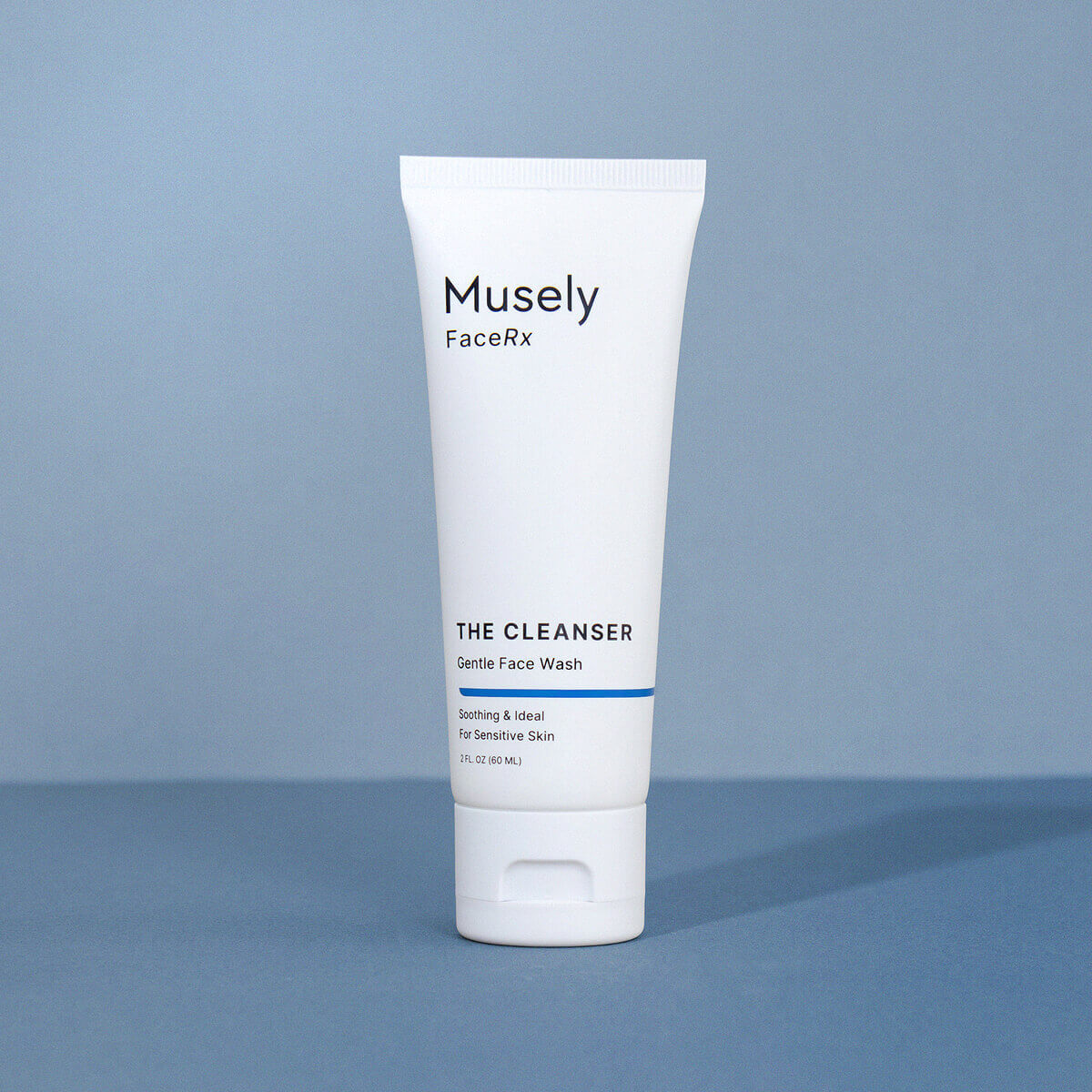
Simplify Your Routine: Focus on the essentials: a gentle cleanser, a hydrating moisturizer, and sunscreen.
Choose Gentle Products: Opt for fragrance-free cleansers and avoid harsh scrubs or alcohol-based toners.
Patch Test: Before applying a new product to your entire face, test it on a small, discreet area (like behind your ear) for a few days to check for a reaction.
Age Spots and Uneven Skin Tone
The Challenge: Dark spots, or hyperpigmentation, from years of sun exposure can become more prominent on thinner, perimenopausal skin.
The Solution:
Brighten with Active Ingredients: Look for serums with ingredients like Vitamin C (found in The Aging Repair Cream) or niacinamide (an ingredient in The Anti-Aging Cream) to help fade discoloration and brighten your complexion.
Be Consistent with Sunscreen: Diligent, daily use of sunscreen is non-negotiable for preventing new spots from forming and keeping existing ones from darkening.
Building Your Ideal Perimenopause Skincare Routine
Creating a consistent routine is the key to seeing real results. You don’t need a dozen steps, just a few effective products used correctly. Here’s a simple, powerful framework.
Morning Routine (Focus on Protection & Plumping)
1. Gentle Cleanse: Wash your face with a hydrating, non-stripping cleanser.2. Hormonal Support: Apply an estriol face cream like The Aging Repair Cream. It works to restore elasticity and plump the skin throughout the day.
3. Moisturize: Follow with a rich moisturizer containing ceramides or hyaluronic acid to lock in moisture.
4. Protect: Finish with a broad-spectrum mineral sunscreen with SPF 30 or higher. This is the most crucial step to prevent further aging.
Evening Routine (Focus on Repair & Regeneration)
1. Gentle Cleanse: Thoroughly remove makeup, sunscreen, and impurities from the day.
2. Treat: On alternating nights at first, apply a prescription treatment like The Anti-Aging Cream with tretinoin to promote collagen production and accelerate cell turnover while you sleep.
3. Moisturize: Finish with your hydrating moisturizer to support your skin barrier and prevent dryness from the treatment.
Skincare That Works For You
Perimenopause brings changes, but your skincare routine can evolve to meet them head-on. By focusing on replenishing what your skin is losing—collagen, moisture, and estrogen—you can effectively manage dryness, fine lines, and loss of elasticity.
With treatments like The Aging Repair Cream and The Anti-Aging Cream, we provide powerful, freshly compounded solutions delivered to your door.
We've treated over 1.3+ million patients and counting, because we believe everyone deserves to feel comfortable and confident in their skin at every stage of life.
Products In This Tip
More tips like this
Menopause Care
Comprehensive Menopause Care: HRT, Hair, Sleep & Mood
Menopause
When Does Perimenopause Begin? Ages, Signs, and Timeline

Guide to HRT/MHT
Does HRT Cause Cancer?

Menopause Care
The Perfect Rx Pair For Menopause
Menopause Symptoms
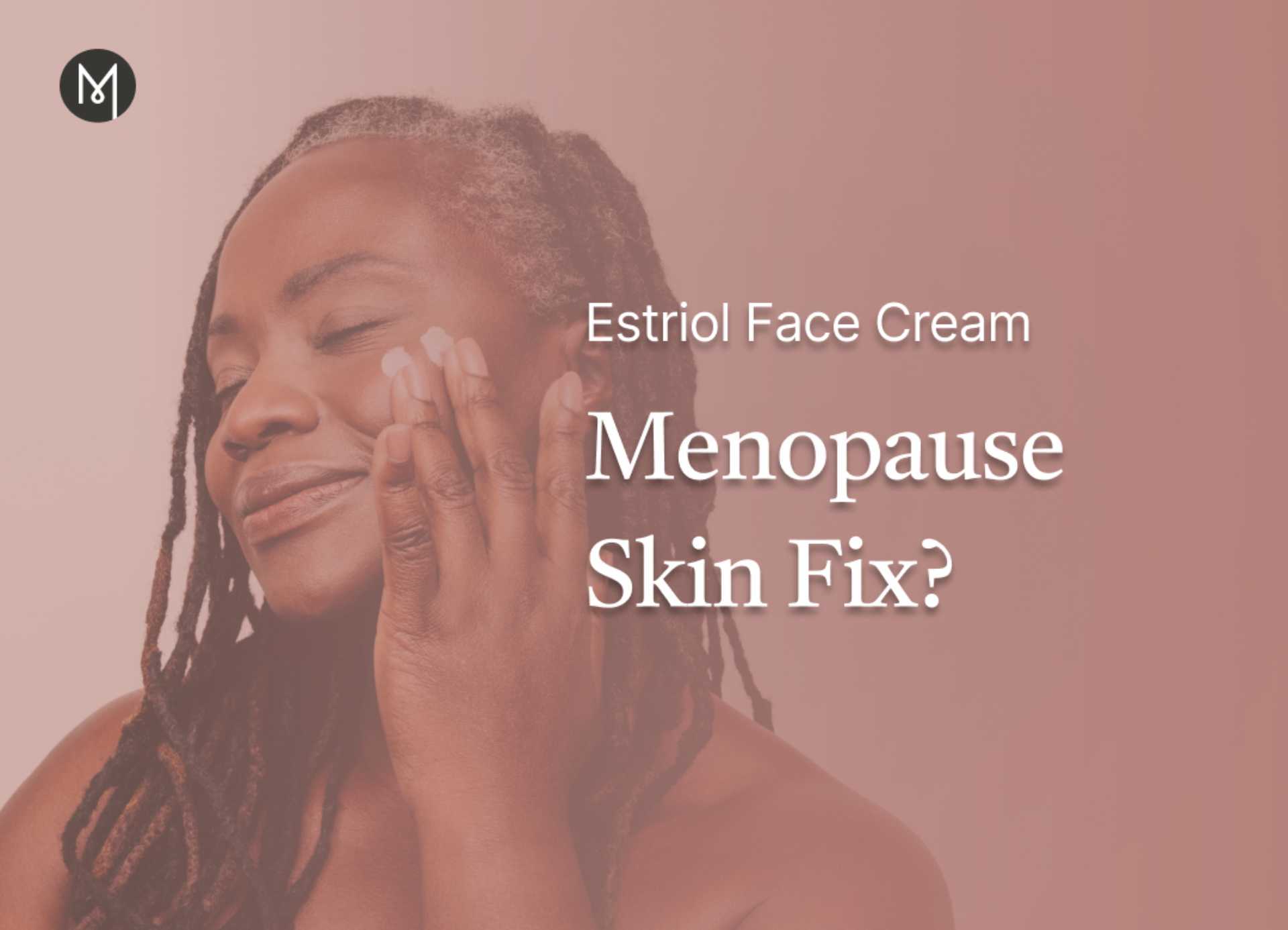
Estriol Face Cream: Menopause Skin Fix?
Menopause
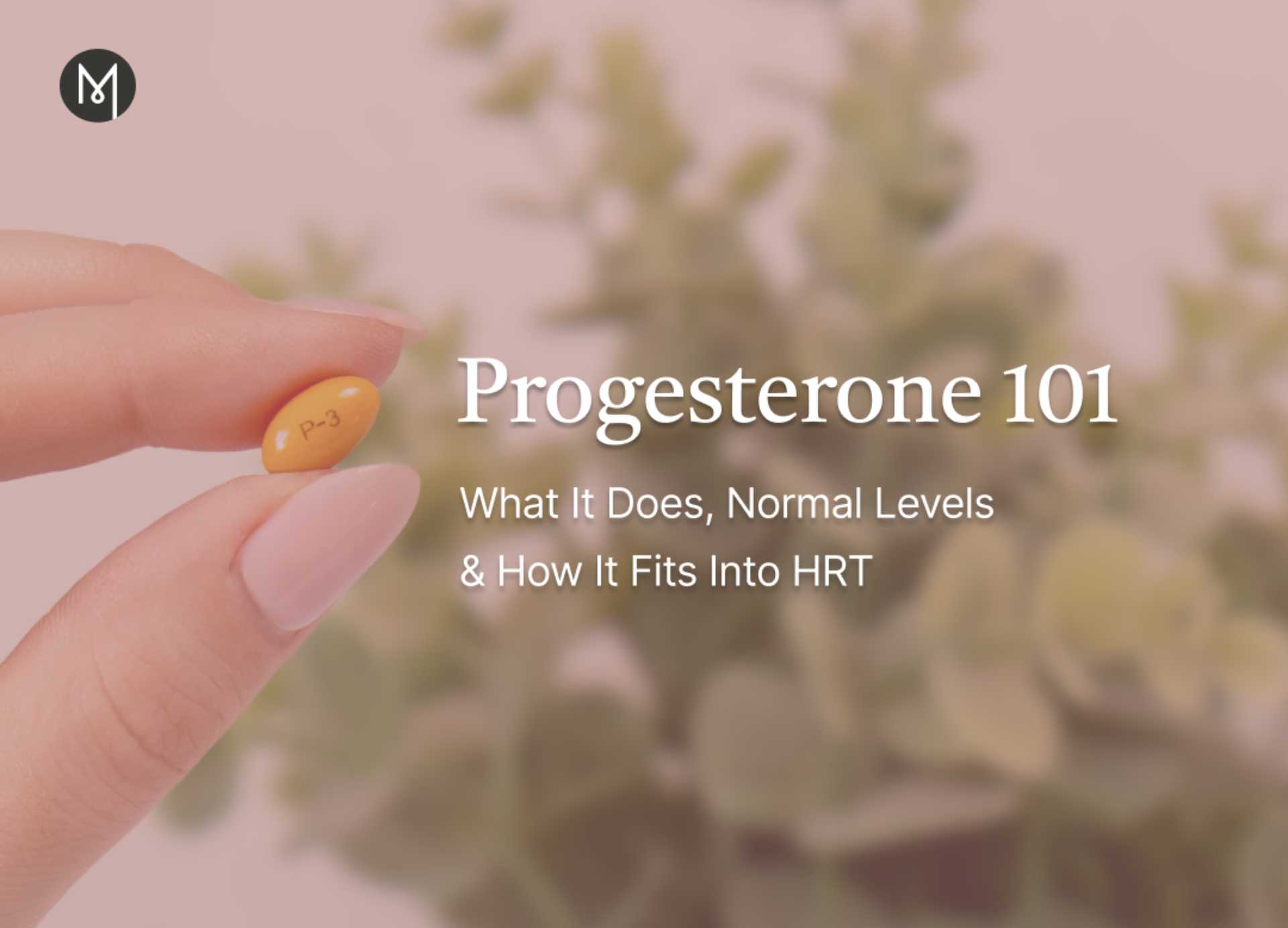
Progesterone 101: What It Does, Normal Levels & How It Fits Into HRT

Menopause Symptoms
3 Common Skin Changes During Menopause

Menopause Symptoms